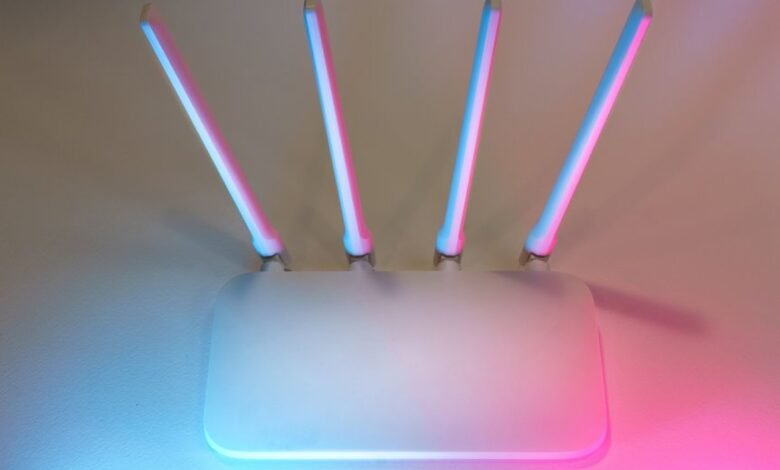
Access to the 168.10.21 admin interface should be secured and auditable, with unique, complex credentials and WPA3 on-wire protection. Guest networks must isolate devices from critical resources, and regular credential rotation should be established. Wi-Fi planning requires nonoverlapping channels, strategic AP placement, and ongoing interference monitoring to justify performance gains. Clear routing policies, defined port forwarding, QoS strategies, and parental controls must align with security requirements, while optimization efforts remain restrained and purposeful, inviting further precision without compromising operational needs.
Accessing the 168.10.21 Admin Page
Access to the 168.10.21 admin page is obtained by connecting a device to the local network and navigating to the router’s default gateway address in a web browser. The interface presents structured menus for debugging access and firmware updates. Authorized personnel perform precise configuration, verify change effects, and document outcomes, ensuring stable operation while maintaining freedom to manage device behavior.
Secure Your 168.10.21 Network: Passwords, WPA3, and Guest Access
To reduce exposure and protect services, the 168.10.21 network requires robust authentication and controlled access. Password standards enforce unique, complex credentials and regular rotation. WPA3 provides strongest on-wire protection, while guest access isolates devices from critical resources. Secure firmware updates ensure resilience. Network segmentation limits lateral movement, supporting transparent governance and freedom to innovate without compromising security.
Optimize 168.10.21 Wi-Fi: SSID, Channels, and Performance Tweaks
Optimizing the 168.10.21 Wi-Fi involves selecting an appropriate SSID strategy, configuring channel usage to minimize interference, and applying targeted performance tweaks to maximize throughput and reliability.
The assessment emphasizes optimal placement of access points, monitoring channel interference, and adjusting transmit power.
Concrete steps include separating SSIDs, selecting nonoverlapping bands, and validating gains across devices to sustain consistent, secure wireless performance.
Port Forwarding, QoS, and Parental Controls on 168.10.21
Port forwarding, QoS, and parental controls on 168.10.21 build on the prior optimization work by defining traffic handling and user access policies to support consistent performance and security.
The section clarifies port forwarding configurations, details qos ideas for traffic prioritization, and outlines parental controls and router security measures to enforce policy compliance while preserving operational freedom.
Frequently Asked Questions
How to Reset the 168.10.21 Router to Factory Defaults?
The reset procedure returns the device to Factory defaults; supervisor access is required to initiate, and login credentials revert to default. Follow documentation to perform the reset safely, ensuring backup of configurations before attempting any changes.
Can I Backup and Restore Router Configuration Settings?
A backup of router configuration is possible and advisable for recovery. It enables quick restoration while preserving security. When performing backup, ensure encrypted storage; for restore, verify integrity. Consider restricted remote access to prevent unauthorized configuration changes.
How to Update the Router’s Firmware Securely?
The update mechanism should be authenticated via firmware signing, ensuring integrity; apply updates only from trusted sources, follow security best practices, monitor vulnerability disclosure channels, and verify checksums before installation to minimize risk and preserve device autonomy.
What Is the Default IP, Username, and Password?
The default login is typically not universal; manufacturers assign default credentials, often printed on device labels or in manuals. If inaccessible, perform a factory reset to restore defaults, then securely change credentials for continued freedom and device control.
How to Enable Remote Management Access Safely?
Answering succinctly: To enable remote management safely, implement strong authentication, use encrypted channels, restrict IPs, enable logging, and conduct a security audit; continually assess remote access risks and apply least-privilege access policies.
Conclusion
In summary, the 168.10.21 router guide emphasizes secure access, strong authentication, and WPA3 protection, paired with guest network isolation and disciplined Wi‑Fi optimization. Structured practices—nonoverlapping channels, strategic AP placement, and interference monitoring—ensure robust performance. Administrative duties are delineated with clear port forwarding, QoS, and parental controls, while security policies balance operational needs with safeguards. Example: a university dorm network segments guest devices from core resources, enabling secure guest access without compromising critical research systems.