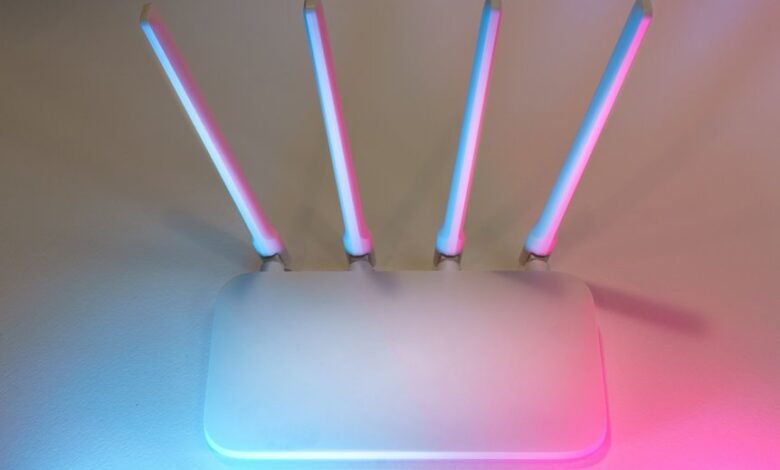
The article examines the 168.1.94 router login and WiFi setup with a focus on reliable access to the admin panel via the default gateway. It emphasizes precise navigation, secure credential handling, and clear pathways to firmware and guest-network controls. Actionable steps are outlined for encryption, channel selection, and bandwidth management, plus safeguards for guests, passwords, and privacy. The discussion ends with a concrete, next-step incentive that compels implementation momentum.
How to Log In to the 168.1.94 Router
To access the router admin interface, the user should open a web browser and navigate to the device’s default gateway address, commonly 192.168.1.1 or 168.1.94. The login portal is presented; credentials verify device compatibility and secure access.
Once authenticated, administrators can verify firmware, enforce security settings, and establish trusted connections while preserving freedom and control.
Accessing the Admin Panel: Navigation Essentials
Accessing the Admin Panel: Navigation Essentials focuses on how users move through the router’s interface after authentication. The navigation emphasizes consistent layout, clear labeling, and rapid access paths to admin dashboards. Users can locate router firmware options, adjust guest network settings, and verify wifi encryption status. Precision guidelines minimize clicks, ensuring efficient, freedom-respecting configuration workflows.
Optimize Wi‑Fi Settings for Speed and Security
Optimizing Wi‑Fi performance and security involves a structured, evidence‑driven approach to channel selection, bandwidth configuration, and encryption standards. The analysis emphasizes secure encryption, appropriate wifi channel selection, and minimal interference. Configurations prioritize stable throughput, encrypted traffic, and consistent latency. Implementations include 20/40/80 MHz mode decisions, smartAAP, and regular reassessment to sustain speed while maintaining robust, resilient protection without compromising freedom.
Manage Guests, Passwords, and Network Privacy
How can a network architect effectively manage guests, passwords, and privacy to preserve security without hindering usability? The guide defines structured guest access with time-bound credentials and segmented VLANs, enforcing least privilege.
Password management enforces complex, rotating keys, MFA where available, and centralized auditing.
Privacy controls restrict data exposure, logging, and telemetry, ensuring resilience without compromising performance or freedom.
Frequently Asked Questions
Can I Recover a Forgotten 168.1.94 Admin Password?
The answer is: a forgotten password for 168.1.94 admin can be recovered only through official reset procedures. The process involves factory reset or authenticated password recovery steps, with security prompts ensuring proper authorization and password integrity.
How to Reset the Router to Factory Defaults?
Could one justify delays in recovery? The article explains a factory reset procedure: power cycle, hold the reset button, restore defaults, then reconfigure. It enables password recovery and ensures security, performance, and user autonomy through precise, actionable steps.
Is There a Mobile App for 168.1.94 Management?
There is no dedicated mobile app for 168.1.94 management; users rely on web access. If considered, mobile app usage requires device compatibility checks, app security considerations, and evaluating app ratings and features to ensure none of the above limitations.
Can I Disable Remote Access to the Router?
“Where there’s a will, there’s a way.” Disabling remote access is possible by enabling remote port filtering and turning off remote management, ensuring disabling guest access and maintaining a controlled, freedom-centered network posture with precise, actionable steps.
How to Update the Router’s Firmware Manually?
Firmware manual update steps require downloading the correct image, verifying integrity, and applying via the router’s admin interface; prioritize firmware safety, follow troubleshooting guides if issues arise, and consider security considerations before initiating the update for assured control.
Conclusion
In sum, administrators should finish by confirming the admin panel reflects the latest firmware and security settings, then testing all critical paths: login, Wi‑Fi encryption, guest timeouts, and VLAN isolation. A disciplined audit trail records credential changes, and MFA remains enforced. The cadence of precise, repeatable steps ensures consistent outcomes, like a well-tuned machine. Rhythm grounds the process, as vigilance—logs, updates, and access controls—keeps the 168.1.94 network robust and resilient.