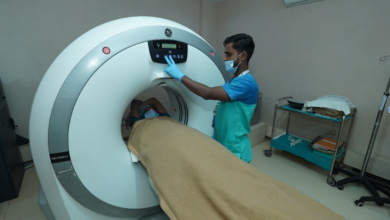
Regional healthcare hubs across India are reshaping alcohol addiction treatment with personalized support and recovery plans, where communication or traveling to metro cities is no longer a burden. With evidence-based medical detoxification, psychiatric therapy, and accessible regional transit links, these dedicated hubs enable patients to achieve long-term recovery within peaceful, low-stress environments close to home.
Key Takeaways
- Regional healthcare hubs can improve access to specialised addiction treatment.
- Calm surroundings may complement, but never replace, clinical care.
- Safe withdrawal management requires appropriate medical assessment and supervision.
- Effective recovery combines therapy, family support, relapse prevention, and aftercare.
- Patients should compare clinical expertise, safety, evidence-based treatment, and continuity of care.
Alcohol addiction treatment in India is increasingly moving beyond conventional metropolitan settings.
- A PubMed study, “The prevalence of alcohol use disorders using alcohol use disorders identification test (AUDIT) in the Indian setting: a systematic review and meta-analysis”, a systematic review of 21 community-based Indian studies involving nearly 74,000 participants, estimated the prevalence of alcohol use disorders at 12.5%, highlighting the demand for accessible, evidence-based addiction treatment.
- Another study, published by NCBI, “Alcohol use disorder research in India: An update”, suggests that major Indian epidemiological surveys identified alcohol use affecting around 5% of the population, reinforcing the need for stronger evidence-based treatment systems.
Following the growing need for consistent support, regional hubs emerged as specialized care centers with more accessibility while offering environments conducive to focused recovery. But how do they work? What helps them stand out? Let’s find answers.


Why Do Regional Healthcare Hubs Matter in Addiction Treatment?
Regional healthcare hubs matter since they make specialized addiction care, medical supervision, mental-health support, and continuing treatment more accessible to patients closer to home.
Moving Beyond Metropolitan Treatment
Well, a traditional assumption is that patients must travel to major metro cities for specialist addiction care. However, regional healthcare hubs can offer an alternative by bringing medical expertise, rehabilitation programmes, diagnostics, mental-health support, and aftercare closer to patients.
Evaluating Clinical Quality
So, if you’re looking for an alcohol addiction rehab in India, the location is enough to make decisions. Know whether the rehab provides appropriate clinical assessment, qualified professionals, medically supervised withdrawal management, evidence-based psychological therapies, and a structured plan for recovery after discharge.
Continuity of Care Beyond Detox
Regional treatment hubs, such as alcohol recovery centers in Hyderabad or Kolkata, can support a more connected recovery pathway by bringing detoxification, counselling, psychiatric support, family involvement, and aftercare planning within the same broader healthcare ecosystem. The continuity can help patients transition more smoothly from initial treatment to long-term relapse-prevention and recovery support.
The table below highlights several regional factors that make recovery support easier and hassle-free.
| Regional Factor | Potential Recovery Value |
| Healthcare access | Medical assessment and specialist referrals |
| Regional connectivity | Easier patient and family travel |
| Quieter surroundings | Supports structured routines and reflection |
| Family accessibility | Facilitates appropriate family participation |
| Aftercare networks | Supports continuity after discharge |
Table: Why Regional Hubs Can Support Recovery
From Detoxification to Long-Term Recovery
Effective alcohol treatment extends beyond managing withdrawal, as it should address medical, psychological, behavioural, and lifestyle factors throughout the recovery journey.
Medically Supervised Withdrawal
Alcohol withdrawal can range from mild symptoms to potentially serious complications. Medical assessment is especially essential for people with prolonged or heavy alcohol use, previous withdrawal complications, or significant medical or psychiatric conditions.
- A comprehensive recovery program often includes medical and psychiatric evaluation to identify physical health concerns, co-occurring mental-health conditions, medication needs, and individual treatment requirements.
Evidence-Based Psychological Therapies
Luxury alcohol addiction rehabs in India incorporate cognitive behavioural therapy (CBT) and other evidence-based interventions, alongside individual and group counselling. It helps patients understand triggers, develop healthier coping strategies, and manage cravings.
Family & Relapse-Prevention Support
Family education and support can strengthen the recovery environment, while personalized relapse-prevention planning helps patients identify potential triggers and develop practical strategies for maintaining progress.
Healthy Lifestyle & Continuing Care
Nutrition, exercise, healthy sleep, and structured routines often complement clinical treatment.
- For example, patients comparing an alcohol recovery center in Hyderabad with facilities in other regional healthcare hubs can assess factors such as medical supervision, specialist availability, therapy options, family involvement, emergency support, and aftercare provisions rather than choosing a facility solely on proximity or accommodation.
Comparing these factors can help families identify a rehab support that offers appropriate clinical care and meaningful long-term support.
How Do Regional Hubs Improve Continuity of Care?
Regional hubs improve continuity of care by connecting detoxification, therapy, family support, follow-up, and aftercare within a more accessible treatment network. So, remember, detoxification is only the initial stage of recovery. Long-term progress depends on continued support, relapse prevention, and the development of healthier routines after completing withdrawal management.
Building Relapse-Prevention Skills
Patients need to recognize personal triggers, develop healthier coping mechanisms, manage stress effectively, and maintain treatment gains as they transition back into everyday life. Structured counselling and follow-up at premium alcohol addiction rehabs in India help reinforce these skills.
Evaluating Treatment Beyond Location
If you are looking for an alcohol recovery center in Hyderabad or any other cities with facilities in other cities, make sure you examine clinical staffing, emergency protocols, treatment methodology, programme duration, family involvement, and aftercare provisions rather than relying on location alone. A suitable rehab program should match the individual’s clinical needs and provide a clear pathway from residential treatment to continuing care.
See also: What Is Martin Lawrence’s Net Worth
Case Study: Choosing a Regional Hub
In 2023, A 41-year-old professional (he/him) from Hyderabad experienced repeated alcohol-related relapses. Instead of selecting a facility solely for luxury amenities, his family prioritized medical supervision, psychiatric support, therapy, family counselling, and aftercare before opting for an alcohol rehab. They chose a regional center with structured clinical services and a quieter setting. The rehab center continued the treatment through scheduled follow-up and relapse-prevention support after discharge.
The case reflects that location can support recovery, but treatment quality determines the foundation of care.
Wrapping Up
Transforming addiction recovery requires prioritizing clinical safety, comprehensive aftercare, and supportive environments over simple location convenience. Regional healthcare hubs deliver an optimal framework for long-term sobriety by uniting evidence-based detox with sustained family participation. Stepping away from metropolitan triggers empowers individuals to build a foundation for permanent recovery.
Take the First Step Towards Recovery
Speak with a qualified addiction professional to assess the appropriate level of care, understand detoxification requirements, and develop a confidential recovery plan suited to your medical, psychological, and personal needs. Early professional guidance can also help identify suitable treatment options, support systems, and follow-up care for a more structured recovery journey.