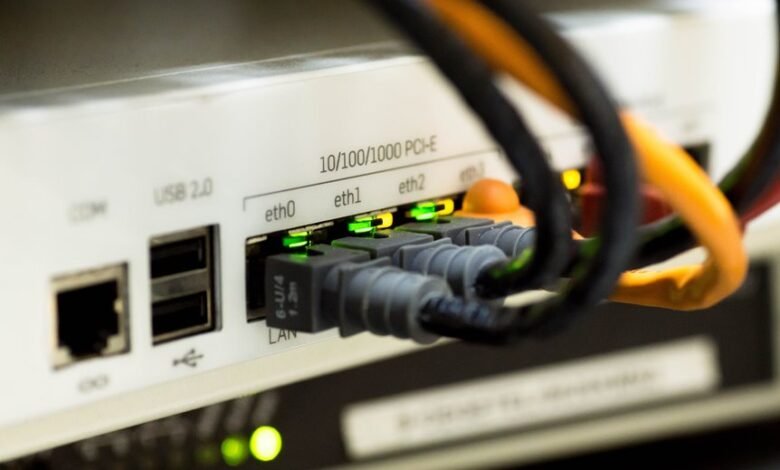
Access the 168.60.1 router admin panel to authenticate and review core network settings. The guide emphasizes secure Wi‑Fi with strong WPA2/WPA3, disallowing WPS, and regular credential rotation. It covers essential performance tunables, device management, and ongoing maintenance, plus a documented update and rollback process. Changes should be saved and applied to persist. A clear path exists, but the exact steps and caveats await, inviting careful, systematic execution before proceeding.
How to Log Into 168.60.1 Router Admin Panel
To access the 168.60.1 router admin panel, a user should open a web browser and navigate to http://168.60.1 or http://192.168.1.1 as applicable. The login page appears with a username and password field. Enter credentials, then access controls and settings. Two word ideas, unrelated to other sections, enable efficient configuration and quick troubleshooting. Persist changes after adjustments.
Secure Your Wi-Fi: SSID, Password, and Encryption Setup
Configuring Wi-Fi security begins with selecting a distinct SSID and a strong passphrase, then applying appropriate encryption. The guide emphasizes keeping firmware updates current to patch vulnerabilities and maintain reliability. Set the router to WPA2 or WPA3, disable WPS, and rotate credentials periodically. Documented steps reinforce ssid security while ensuring network access remains controlled and auditable for freedom-loving users.
Essential Network Settings for Performance and Security
Essential network settings balance performance with security by prioritizing bandwidth management, stable routing, and proactive protection. The guidance emphasizes a clear network topology, timely firmware updates, and explicit security considerations. Operators should verify QoS rules, enable automatic firmware patches where available, and monitor anomaly alerts. Maintain documented change logs, test configurations offline, and reserve a rollback plan for any critical update.
Manage Devices and Ongoing Maintenance Tips
Managing devices and ongoing maintenance builds on a secure, well-documented network foundation by establishing clear device inventories, standardized configurations, and routine monitoring.
The guidance emphasizes maintaining a current device inventory, scheduling firmware updates and security patches, and enforcing parental controls.
It also addresses guest networks, network segmentation, access control, and proactive remediation to sustain reliability and freedom through continuous, disciplined administration.
Frequently Asked Questions
How to Reset the 168.60.1 Router to Factory Defaults?
The reset procedure requires locating the recessed button, holding it for 10–15 seconds until LEDs flash, then releasing; the device performs a factory reset and reboots. Afterward, perform a firmware update to ensure current security and features.
Can I Update the Router’s Firmware Manually?
Yes, a firmware update can be performed via manual installation. The process requires downloading the correct firmware file from the manufacturer, accessing the router’s admin interface, and uploading the file, ensuring version compatibility and preserving settings. Proceed with caution.
How to Port-Forward for Online Gaming or Servers?
Investigation suggests port-forwarding can improve gaming performance by directing external traffic to specific devices. For online gaming or servers, enable UPnP or manual port mappings, ensure firewall rules are permissive, and optimize NAT type for smoother network performance and freedom.
What Parental Controls Are Available on This Router?
Parental controls are available, enabling time schedules, content filters, and device-level blocking; firmware updates should be checked regularly for new features and security patches, then applied via the router’s admin page to maintain uninterrupted control and performance.
How to Backup and Restore Router Configuration Settings?
The procedure is: backup configuration to a local file, then restore settings from that file after a reset; apply firmware updates before testing; review parental controls for any changes, ensuring preservation of custom rules throughout the process.
Conclusion
Conclusion:
Navigating the 168.60.1 router requires disciplined steps: log in, secure the wireless, and document every change. Treat the network like a ship’s helm—small, precise adjustments prevent wide-reaching storms. Maintain strong WPA2/WPA3 credentials, disable WPS, rotate keys, and keep firmware current. Track QoS and alerts, implement a rollback plan, and document updates. With consistent rigor, the network remains stable, secure, and ready for evolving demands.