Cashless living has gone from novelty to default in a surprisingly short time. You tap for coffee, you scan for a train, you split dinner with a link, and you barely notice the payment moment at all. That shift is changing how people fund leisure online too, with prepaid-style options like neosurf online pokies fitting into the same modern preference: keep the transaction simple, keep the spend contained, and move on with your night.
Convenience is not only speed, it’s fewer decisions
The best payment experiences don’t feel fast, they feel invisible. Not because the money is less real, but because the process demands less mental effort. It’s one less choice in a day packed with choices.
Look at where cashless design has won outside gaming:


- Cafés where the line keeps moving because nobody is counting coins
- Public transport where a stored balance means no ticket machine drama
- Music venues where wristbands and taps reduce bar congestion
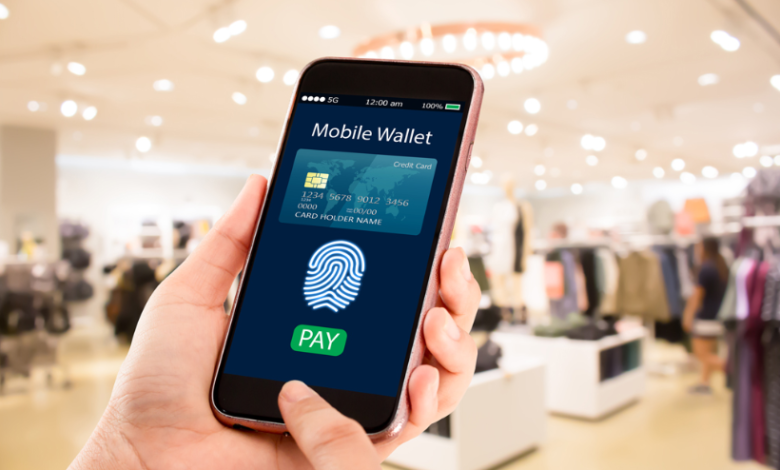
- App stores where one saved method turns a purchase into a single thumbprint
In every case, the goal is not only speed. It’s reducing friction. When friction disappears, spending becomes easier to repeat. That’s why cashless culture is reshaping leisure so quickly, leisure is where people want the least hassle.
The tradeoff is obvious too. When spending becomes seamless, it can also become less noticeable. That’s where prepaid-style approaches have a quiet advantage. They keep convenience while building in a boundary.
Why prepaid still matters in a tap-to-pay world
It’s easy to assume prepaid vouchers are a relic, a transitional tool from the era before mobile wallets. In reality, prepaid has found a new identity. It’s less about being old school and more about being intentional.
Prepaid works because it flips the order of the decision:
- You decide the amount first
- You spend from that amount later
That single difference changes the emotional tone. A card payment can feel like an open channel. A prepaid top up feels like a container.
For a lot of people, that container is the point. It’s the same logic behind:
- Buying a gift card for yourself so entertainment spend stays separate
- Loading a transit card so commuting costs feel predictable
- Using a separate balance for subscriptions so you can see what’s recurring
- Keeping leisure purchases away from your main banking feed
Prepaid is not anti-tech. It’s pro-boundary. In the new leisure economy, boundaries are becoming a feature people actively choose.
How prepaid habits show up in online entertainment
Online entertainment has a particular kind of payment pressure. It thrives on quick sessions, late-night scrolling, and the easy decision to try one more thing. In that environment, the payment method can shape behavior more than people want to admit.
Prepaid-style funding tends to change the rhythm in a few ways:
- The deposit is usually one deliberate action rather than a series of small top ups
- Spending feels more planned because the limit is built in
- People spend less time in cashier screens and more time actually using the product
- The transaction record can feel cleaner when the funding method is consistent
That’s why vouchers keep showing up across categories, not only games. Anywhere the line between quick fun and accidental overspend can get blurry, prepaid can make the experience feel more contained.
Where vouchers fit in real money casino play
Real money casino play adds another layer to the payment conversation. It’s not only about convenience, it’s about comfort. Some players simply prefer not to store card details with every operator they try. Others want a starting point that feels controlled, especially when they’re just testing the experience.
Voucher deposits can appeal because they feel closer to the way people already fund digital leisure. You buy a code, you redeem it, and you’re done. No typing long card numbers on a phone keyboard, no wondering if you saved details by accident, no feeling like you opened a direct line to your bank account.
That said, voucher convenience only works when the operator handles the basics clearly. Before using any voucher method, it’s worth checking for a few signals inside the cashier:
- Deposit minimum and maximum for the voucher option
- Any fees shown before you confirm
- Whether the deposit history displays clearly in your account
- How withdrawals are explained in plain language
- Whether verification expectations are stated early rather than late
This is where some people get tripped up. Depositing with a voucher doesn’t automatically mean withdrawing to a voucher. Withdrawals often follow separate rules and identity steps. That’s normal, but it needs to be communicated like an adult conversation, not hidden behind confusing labels.
When the operator is clear about those steps, vouchers can be a clean way to fund play, especially for players who want to keep sessions deliberate rather than open-ended.
The future feels cashless, but the best experiences feel controlled
Cashless culture is not slowing down. If anything, it’s expanding into more corners of daily life, from stadiums to salons to roadside food trucks. The payment moment keeps disappearing, and for most people that feels like progress.
At the same time, the new leisure economy is creating a counter-need: ways to keep spending visible enough to stay intentional. Prepaid vouchers sit in that sweet spot. They offer convenience without turning every leisure purchase into an automatic habit.That’s the interesting tension of modern life. We want everything to be easier, but we also want to feel in control. The products that win are the ones that deliver both.